UCC is a community based organization involved in numerous community development activities that have elevated it to gain an upper hand in influencing some of the by-laws instituted by the local authorities. It has access to opportunities such as interacting with prominent personalities in the community, for example; local leaders, religious leaders, elders and other opinion leaders that continue to provide it with substative support, guidance and wisdom during project implementation leading it to fulfill key organizational goals and objectives.
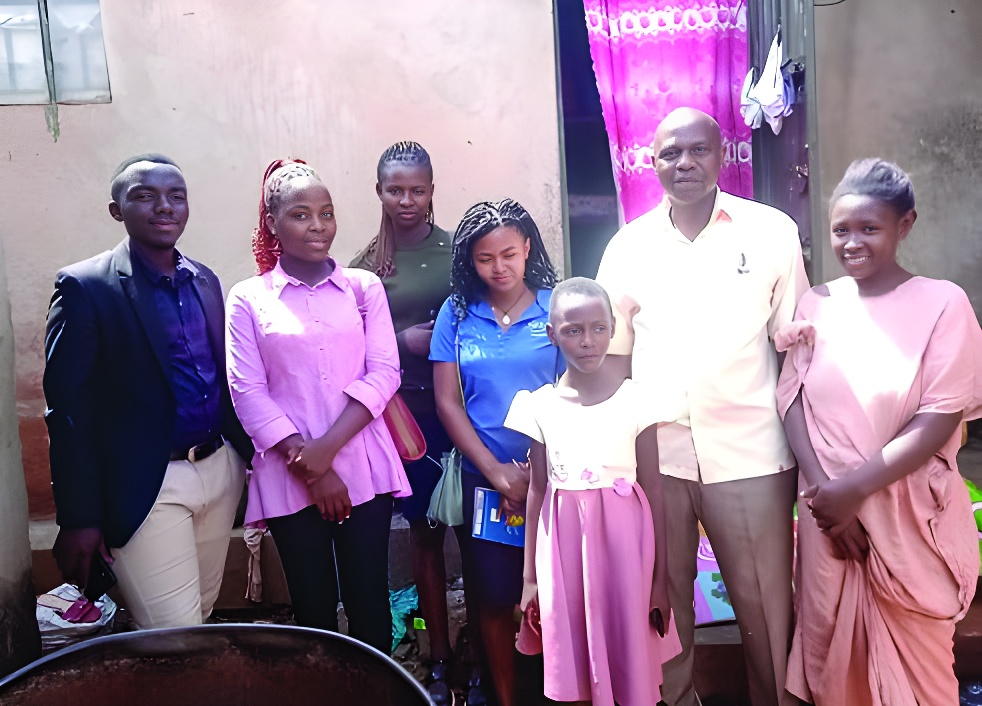
The organization conducts frequent community outreaches under which it interacts with some of the families of supported children, mostly beneficiaries of the Formal education programme. Such visits include attending community meetings organized by local leaders when they have special communications they want to make towards community members. Others include special arrangements organized by local leaders to meet families that applied for assistance from the organization.
Also, UCC requests for special meetings with families of beneficiaries to establish how they are coping with life and to learn if there are some issues that may require professional involvement.
Some families may have difficulties to live in harmony as a family due to misunderstandings or having oppressive family members or tendencies of domestic violence. With such situations, the organization social worker intervenes to help the family reach some understanding. Or else, draws a programme where counselling starts with members who are cooperative.
Furthermore, such visits extended to people staying in slums are always important to discuss with the caregivers about how their child or children is or are performing at school, and whether, there are challenges affecting the progress of the studies.
It is well known that children in these situations face numerous challenges that hinder them from completing their full cycle of education. Of the numerous families visited, it remains an organizational policy to have a ratio of 1:3 visitations. This implies that every three families visited, two should belong to the girl child while one to the boy child.
This recommendation resulted from records depicting numerous stories and documented evidences portraying the high risk and vulnerability of the girl child in these urban poor communities which grossly her educational dreams leading to drop outs and other social injustices.