When schools reopened after the President’s directive, many students came back to schools with several mental health challenges. This resulted from their long stay at home due to COVID-19 and lockdowns. Even if majority had overwhelming desire to study, a handful of them needed more awareness on mental health issues to help in addressing their academic, career and social/emotional development. This situation necessitated the administrators to introduce short-term counselling interventions, as well as making referrals to specialized counselling resources for long-term support.
The impact of COVID-19 lockdowns on the educational sector in Uganda left many school going children unable to attend school again. According to Ministry of education and sports, nearly 650,000 teen pregnancies were recorded between 2020 and last year during the coronavirus lockdown. In a study conducted by United Nations Population Fund, a total of 354,736 teenage pregnancies were registered in 2020, while 290,219 pregnancies were recorded between January and September 2021. On average, 32,000 teenage pregnancies were recorded per month. Without education, these would be condemned out of the social system of skilling, preparation for employment, entrepreneurship and better social economic status.
After appreciating this need, MAKSOD partnered with UCC to undertake a needs assessment amongst students to find out some of the personal challenges, career, social or emotional needs. They were also asked to suggest means of how to receive supportive information. Data collected from this study helped administration to introduce short-term counselling sessions that are pivotal in addressing mental health issues in the institute.
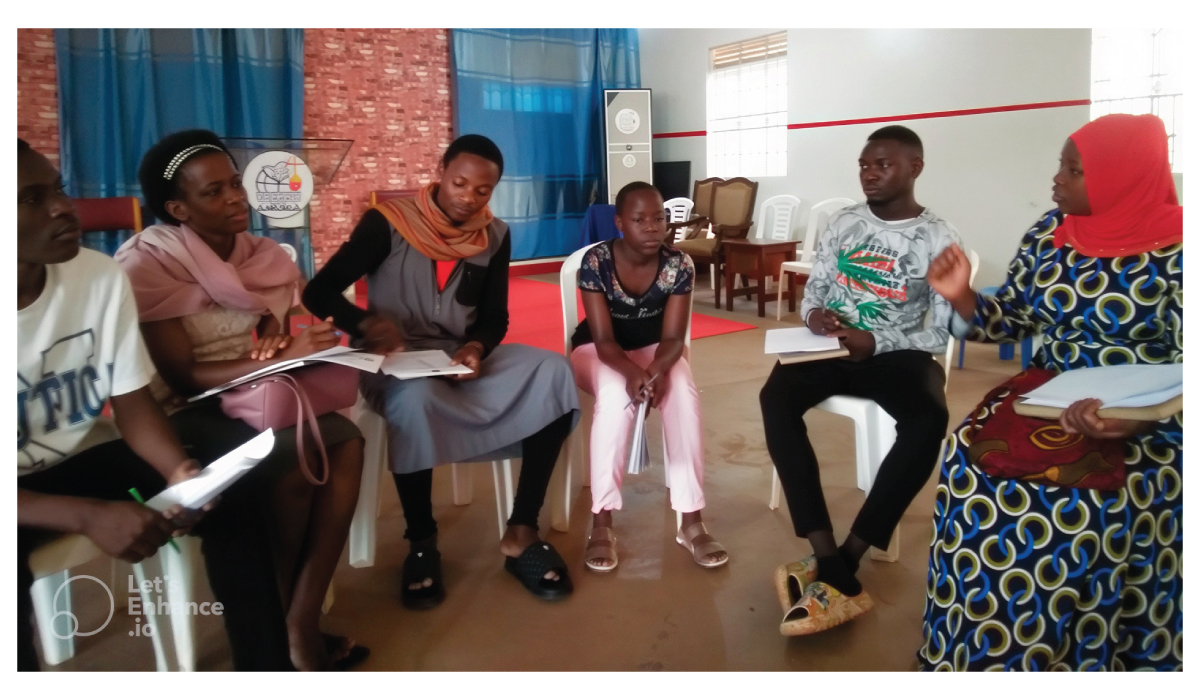
Weekly sessions started and students keep on appreciating the program because it improves their interactions with peers. At the initial stage, a lot of squabbles characterized the discussions because each person struggled to speak taking advantage of the platform to open up. Eventually, everyone had opportunity to express himself or herself which reduced tension in the sessions.
Several mental health warning signs were visible among majority of the students which were likely to affect their learning abilities and failure to achieve their set goals. They included; changes in school performance and attendance, increased disciplinary problems, mood swings, non-compliant to rules and regulations, thefts and fights among others. Information collected from these sessions is analyzed and will be later disseminated in different for as such as seminars or workshops guided by internal and external experts. We thank interns from USA who have helped to share their experiences and knowledge that enhanced students’ appreciation and understanding of the purpose and objectives of improved mental health.
We shall continue to use this space to share new developments as regards to mental health issues by portraying progress of the initiative. We thank the student community, leadership right from the Guild President and Ministers who have ably supported the exercise. Several topical issues will be shared among students to allow them give their feedback on the progress of the sessions. If this program achieves its set objectives, we have no doubt that mental health challenges among students post COVID-19 will be overcome.